Back on the Road With Certainty - Reliable Auto Repair
Dependable auto repair is vital for vehicle safety and performance. A reliable shop delivers comprehensive services, from routine checks to emergency fixes. Understanding when a car needs attention can be difficult. Many drivers struggle with finding trustworthy mechanics. Regular maintenance is essential for extending your car's lifespan. Yet, the complexities of repair costs and effective communication with mechanics can leave one uncertain. What steps can drivers take their vehicles are always prepared for driving?
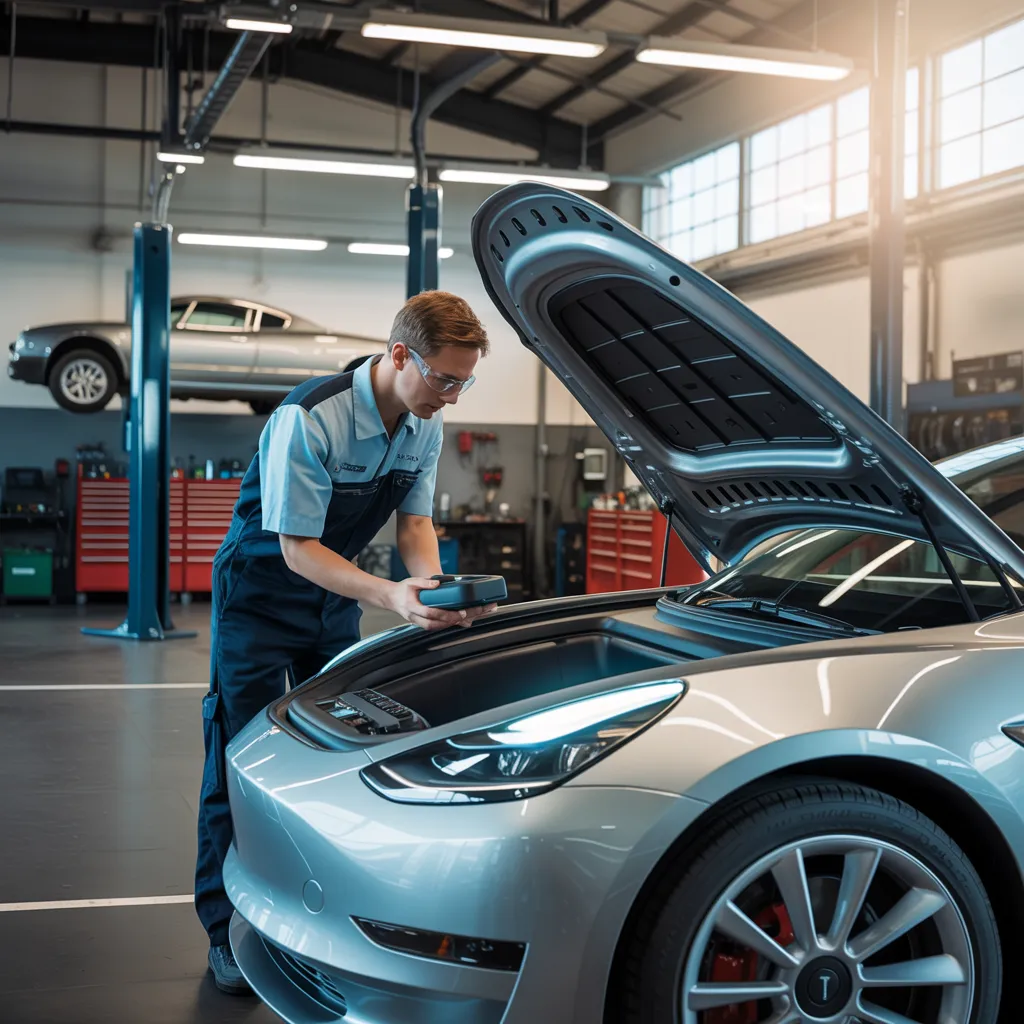
Identifying When Your Car Requires Repairs
How can one identify when a vehicle has issues? There are different key indicators that highlight a need for repair. Unusual noises, such as grinding or squeaking, often hint at brake or engine problems. Warning lights on the dashboard, particularly the check engine light, should not be ignored, as they warn of potential problems that demand immediate inspection. Additionally, a reduction in performance, such as sluggish acceleration or difficulty starting, can also indicate underlying mechanical issues.
Visual signs, such as leaking fluids or uneven tire wear, are further indications that maintenance is necessary. If the vehicle drifts to one direction while driving, this could signal alignment problems or tire problems. Consistently tracking these factors can help guarantee timely repairs, preventing more significant damage and expenses in the future. In summary, being attentive and forward-thinking is crucial for maintaining vehicle health.
How to Find a Dependable Auto Repair Shop
Locating a trustworthy repair facility can be a challenging task for vehicle owners. To begin, people should seek recommendations from associates, family, or coworkers. Own experiences often impart pertinent information into a shop's quality of service. Internet-based reviews and marks on platforms like Yelp or Google can further help gauge customer satisfaction.
Next, examining qualifications and associations with respected professional groups, such as the Automotive Service Excellence (ASE), can suggest a shop's commitment to professional standards. It is prudent to visit potential shops for an opening appointment, giving customers to gauge cleanliness, organization, and customer service.
Additionally, obtaining written estimates before any work gets underway can stop disputes over costs. Finally, a reliable shop should be transparent about its services and prepared to clarify repairs. By following these steps, vehicle owners can boost their chances of finding a credible auto repair shop.
The Significance of Regular Car Upkeep
While many vehicle owners may disregard routine upkeep, regular vehicle upkeep is essential for guaranteeing a car's longevity and peak functionality. Neglecting upkeep can result in a series of problems, from minor hassles to significant failures. Regular inspections, such as oil changes, tire turns, and brake checks, can avoid expensive repairs and enhance safety on the road.
Furthermore, ongoing maintenance helps sustain a vehicle's gas mileage, minimizing overall maintenance expenses. It also safeguards the trade-in value; a well-kept car is often more desirable to prospective buyers.
Committing to regular upkeep cultivates a sense of responsibility among owners, urging them to stay informed about their vehicle's needs. By emphasizing maintenance, vehicle owners not only protect their monetary investment but also contribute to overall road safety. Ultimately, consistent vehicle care is a preventive strategy that helps both the owner and the broader community.
Learning About Restoration Fees
Understanding repair costs can often be perplexing for car owners. Various factors contribute to these expenses, including labor charges, component costs, and the intricacy of the repair itself. Labor expenses vary widely by region and shop, often demonstrating the mechanic's expertise and the facility's operating costs. In addition, the kind of components used—whether original equipment manufacturer (OEM) or aftermarket—can greatly affect the final bill.
Vehicle age and model also play a role; older or less common vehicles may require specialized parts that are pricier and more difficult to find. Moreover, unforeseen problems can occur during maintenance work, get going causing additional costs that were not foreseen at first. By developing fundamental knowledge of these factors, vehicle owners can tackle repair quotes with more certainty and take knowledgeable choices regarding their automotive needs.
How to Clearly Describe Car Problems to Your Mechanic
Communicating car problems clearly to a mechanic can significantly improve the diagnosis and repair procedure. When explaining problems, car owners should be specific about symptoms, such as unusual noises, vibrations, or warning lights. Sharing details on when the issue occurs—whether during speeding up, braking, or idling—can also assist the mechanic pinpoint the issue.
It is worthwhile to document any recent changes in your driving habits or service history. Employing direct, simple communication negates misunderstanding, allowing the auto technician to understand the situation better. Owners should avoid using specialized language unless they are confident about its definition.
Furthermore, submitting paperwork, like service records or previous repair invoices, can offer context. A clear description not only supports swift diagnosis but also builds a mutual partnership between the car owner and the mechanic, ultimately producing effective repairs.
Developing a Enduring Association With Your Auto Repair Shop
Creating a enduring bond with an auto repair shop relies on faith and transparency. Regular quality service strengthens this partnership, while clear interaction pathways guarantee that clients feel valued and acknowledged. Together, these components create a collaboration that benefits both the customer and the mechanic.
Create Belief By Way Of Transparent Sharing
When customers feel educated about the services their vehicles require, reliance naturally forms between them and their auto repair shop. Transparency in communication is fundamental; it allows clients to understand the motivation behind advised repairs and maintenance. Auto repair shops that provide clear information, precise estimates, and open dialogues encourage a sense of security among their clientele. This openness not only clarifies the repair process but also empowers customers to make educated decisions. Additionally, sharing information about the shop’s qualifications, warranties, and service history raises credibility. By focusing on transparency, auto repair shops can nurture lasting relationships, encouraging repeat business and retention. Ultimately, trust through transparency facilitates a more positive and trustworthy auto repair experience.
Uniform Quality Service
Consistent service excellence is the pillar of a enduring bond between customers and their repair establishment. When customers experience reliable and efficient repairs, they are more likely to return for future maintenance. This reliability promotes trust, allowing customers to trust in the expertise of the technicians. Over time, as customers witness the same high standards being upheld, a sense of loyalty develops. Quality inspections done consistently and adherence to industry standards guarantee that vehicles are not only serviced but also preserved to prevent future issues. Such commitment to excellence creates an climate where customers feel important, knowing their vehicles are in capable hands. Ultimately, this commitment to consistent quality service strengthens the bond between auto repair shops and their clientele.
Establish Messaging Pathways
Effective interchange acts as an essential connection between customers and their auto repair shops, enhancing trust and understanding. Transparent communication channels establish a collaborative atmosphere where patrons feel important and kept in the loop. When repair shops deliver clear accounts about services, costs, and timeframes, customers can make better decisions about their automobiles. Regular updates during repairs can ease anxiety and build assurance in the shop's proficiency. Conversely, customers who express their reservations and desires contribute to a more personalized engagement. This two-way dialogue not only strengthens bonds but also stimulates loyalty. By prioritizing open interchange, auto repair shops can establish a reputation for reliability, ensuring that patrons revisit for future needs, confident in the labor they will receive.
Regularly Addressed Questions
What Actions Ought I Follow if My Car Breaks Down Suddenly?
If a vehicle breaks down unexpectedly, the driver should safely pull over, turn on hazard lights, examine the situation, and seek roadside assistance or a tow service if needed. Staying calm is important.
How Can I Assess if a Mechanic Is Credible?
To assess a mechanic's reliability, one should examine reviews, obtain recommendations, check certifications, and ensure transparency in costs. A reliable technician will communicate clearly and supply detailed explanations of required maintenance and work.
Can you get protection plans for auto repair work?
Numerous auto repair shops offer coverage on their services and parts, typically spanning 90 days to several years. Customers should ask about specific details and requirements to ensure adequate protection for their repairs.
What Gear Should I Have in My Car for Urgent Situations?
A well-prepared car should contain a spare tire, jack, jumper cables, flashlight, first aid kit, basic tools, and tire pressure gauge. These requirements help guarantee safety and tackle minor issues during unexpected emergencies on the road.
How Do I Get My Car Ready for Seasonal Shifts?
To get ready a car for climate shifts, one should examine fluid levels, examine tires for tread and pressure, test the battery, change wipers, and make certain lights work correctly for maximum safety and performance.